
Demulcent Mucilage Gut Barrier Restoration
Epithelial coating & tight junction reinforcement with marshmallow & slippery elm
Clinical Abstract & Rationale
A therapeutic cold-macerated mucilage protocol designed to coat the esophagus, soothe stomach lining hyperacidity, and provide prebiotic fermentable fuel for butyrate-producing colonocytes.
The gastrointestinal epithelial barrier relies upon a delicate glycocalyx and mucosal lining to buffer against gastric acid, bile salts, and luminal endotoxins. This cold-macerated protocol provides high-molecular-weight branched mucilages that create an immediate physical demulcent shield over inflamed mucosal microvilli, encouraging endogenous tight-junction restoration.
Pharmacological Mechanism of Action
Branched-chain arabinogalactans and rhamnogalacturonans form a protective hydrocolloid gel layer over inflamed gastric and duodenal microvilli. This physical shielding downregulates mast cell degranulation, while fermented residues nourish Akkermansia muciniphila to thicken the endogenous gut mucosal barrier.
Botanical Ingredients & Synergists Matrix
Every botanical component is chosen for specific phytoconstituents and biochemical co-factor compatibility.
Marshmallow Root
Althaea officinalis
Deglycyrrhizinated Licorice (DGL)
Glycyrrhiza glabra
Slippery Elm Inner Bark
Ulmus rubra
Peppermint Leaf
Mentha × piperita
Master Apothecary Preparation Guide
Follow these sequential extraction instructions to protect delicate volatile terpenes and maximize bio-assimilation.
Chronobiology & Administration Schedule
Drink 30 minutes before breakfast on an empty stomach to create a protective barrier along gastric mucosa.
Consume between lunch and dinner if experiencing post-prandial reflux, gas, or intestinal cramping.
Safety Profile & Contraindications
Take oral prescription medications at least 1.5 to 2 hours apart from mucilaginous drinks, as the physical gel layer can slow drug absorption.
Ensure sustainable, ethically wildcrafted sourcing for Ulmus rubra.
Peer-Reviewed Clinical Literature
Frequently Asked Questions
Why must marshmallow root be macerated in cold water rather than boiling water?
Boiling water extracts heavy insoluble starches that result in a cloudy, gelatinous brew, while cold water selectively extracts pure water-soluble mucilage polysaccharides without starch contamination.
Should I take this close to my prescription medications?
Always separate mucilage drinks by at least 90 to 120 minutes from oral pharmaceuticals. The physical coating action can temporarily delay the absorption kinetics of synthetic medications.
Need a personalized protocol tailored to your biomarkers?
Connect directly with clinical phytotherapists to formulate custom remedies, coordinate drug-herb compatibility, and monitor your long-term vitality.
Related Protocols
View All Articles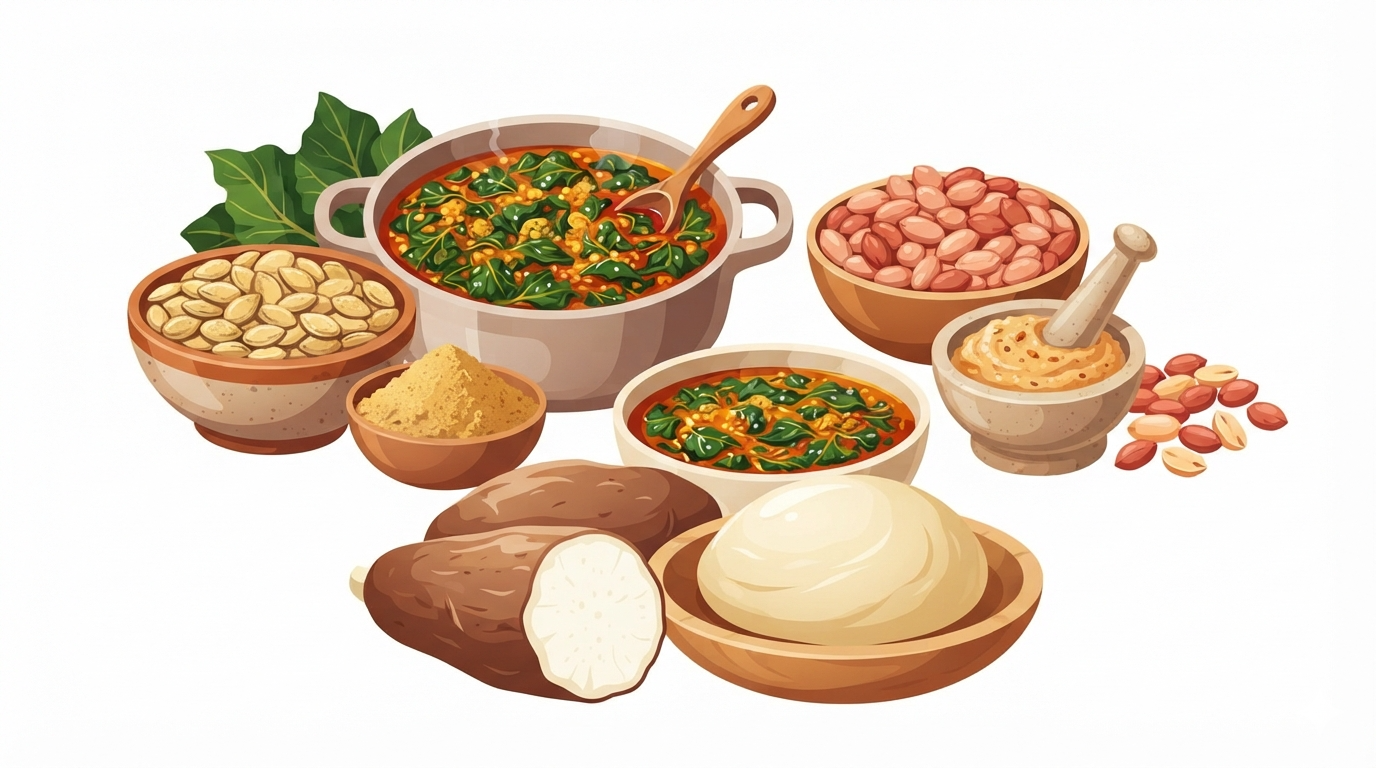
Weight-Gain Essentials
A whole-food weight-gain plate built on egusi, groundnuts and white yam — calorie-dense protein, healthy fats and premium carbohydrates that support lean tissue rather than empty calories.
GABAergic Nervine & Deep Sleep Protocol
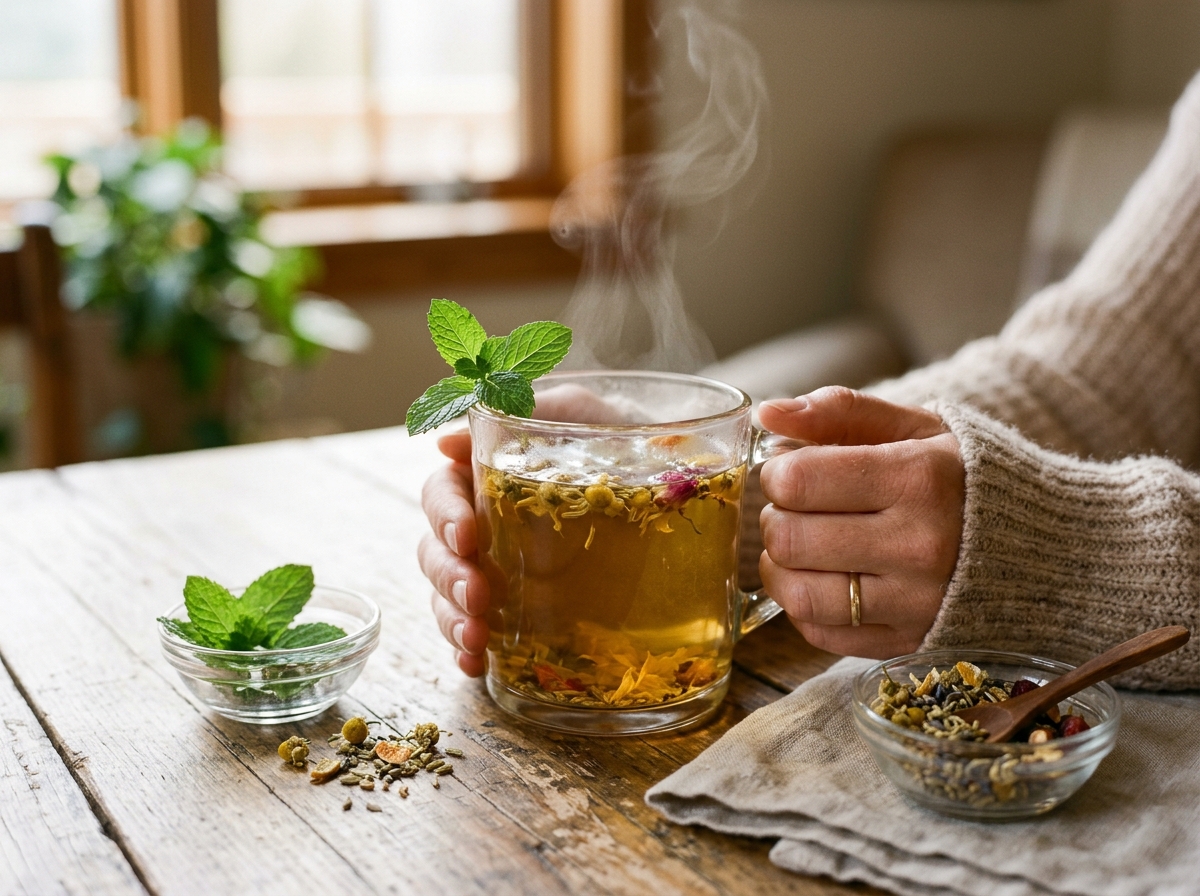
A restorative evening infusion harnessing passionflower, lemon balm, and chamomile to soothe an overstimulated central nervous system, quiet mental loops, and lengthen regenerative slow-wave sleep phases.
Golden Rhizome Joint & Anti-Inflammatory Protocol
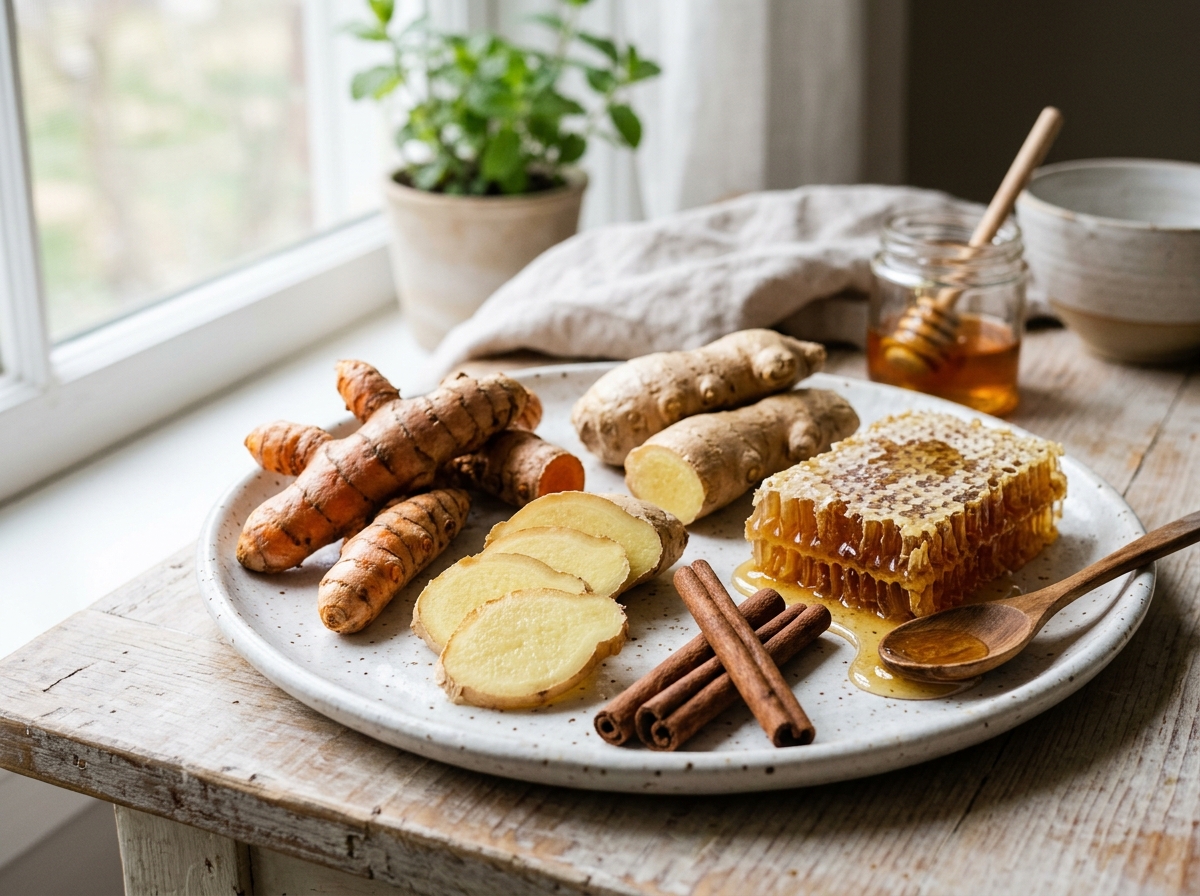
A time-honored Ayurvedic preparation engineered for maximum lipid-bound bioavailability to support flexible joints, reduced morning stiffness, and oxidative defense.